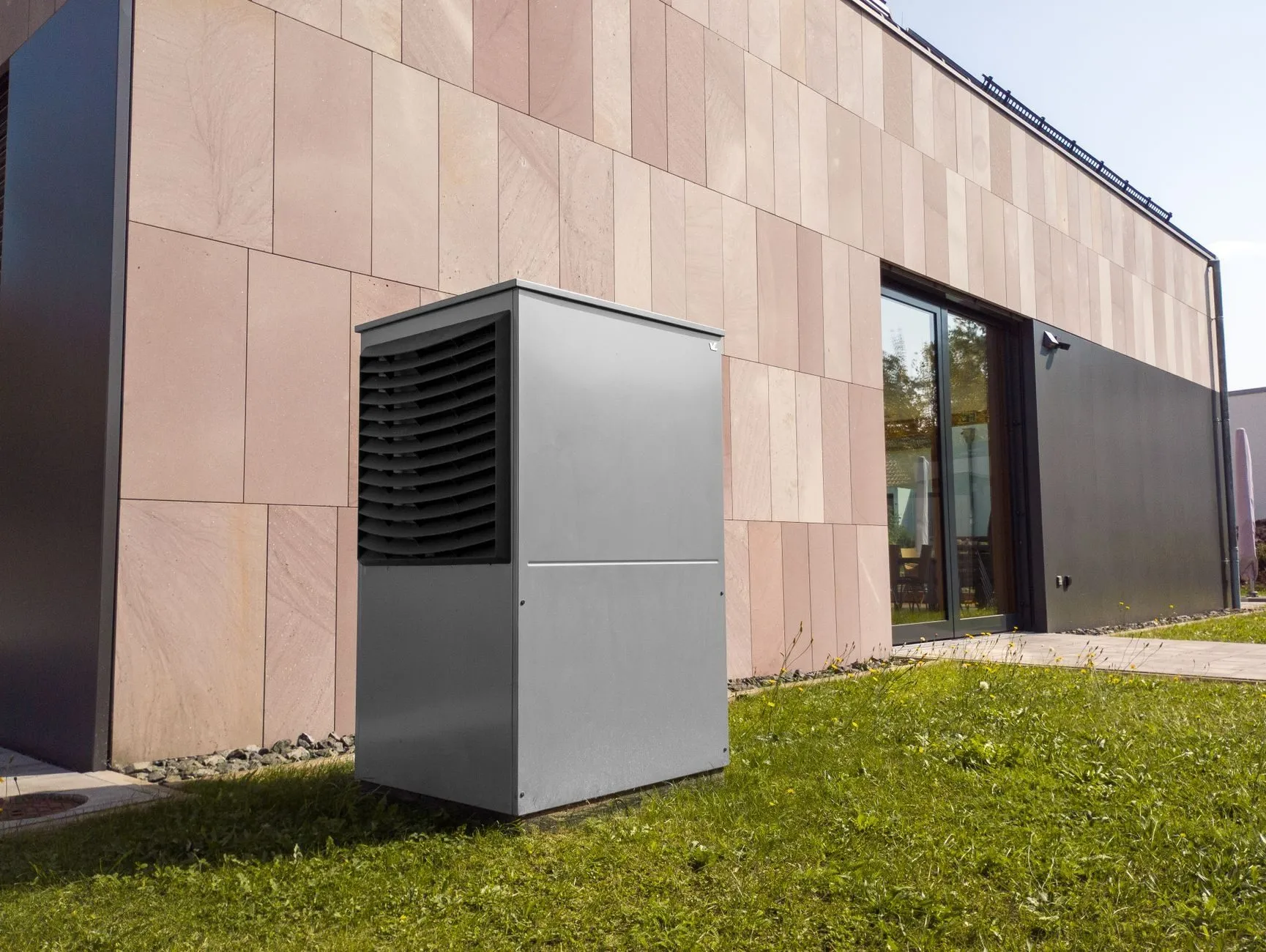
Annual service
One visit a year for a boiler, heat pump or split system.
£96 a year
- Yearly service and written report
- Keeps the manufacturer warranty valid
- Reminder four weeks before it is due
- 10% off any parts
Heating and cooling engineers in Newcastle upon Tyne
We design, install and look after heat pumps, gas boilers and air conditioning for homes in Newcastle, Gateshead and North Tyneside. One fixed price after a free survey, fitted by our own engineers in 2–3 days.
We survey across 18 postcode districts
Enter your postcode, or tap a district on the map.
Book a surveyFixed price after the survey
The number on your quote is the number on your invoice. No day-rate surprises.
Installed in 2–3 days
Most heat pump and boiler swaps are finished and handed over inside a working week.
10-year workmanship guarantee
On every install we do, on top of the manufacturer warranty on the kit.
Our own engineers
Fourteen of them, on the payroll. We never hand your job to a subcontractor.
Five services, all carried out by the same fourteen engineers. Every price below is a real starting price, not a teaser.
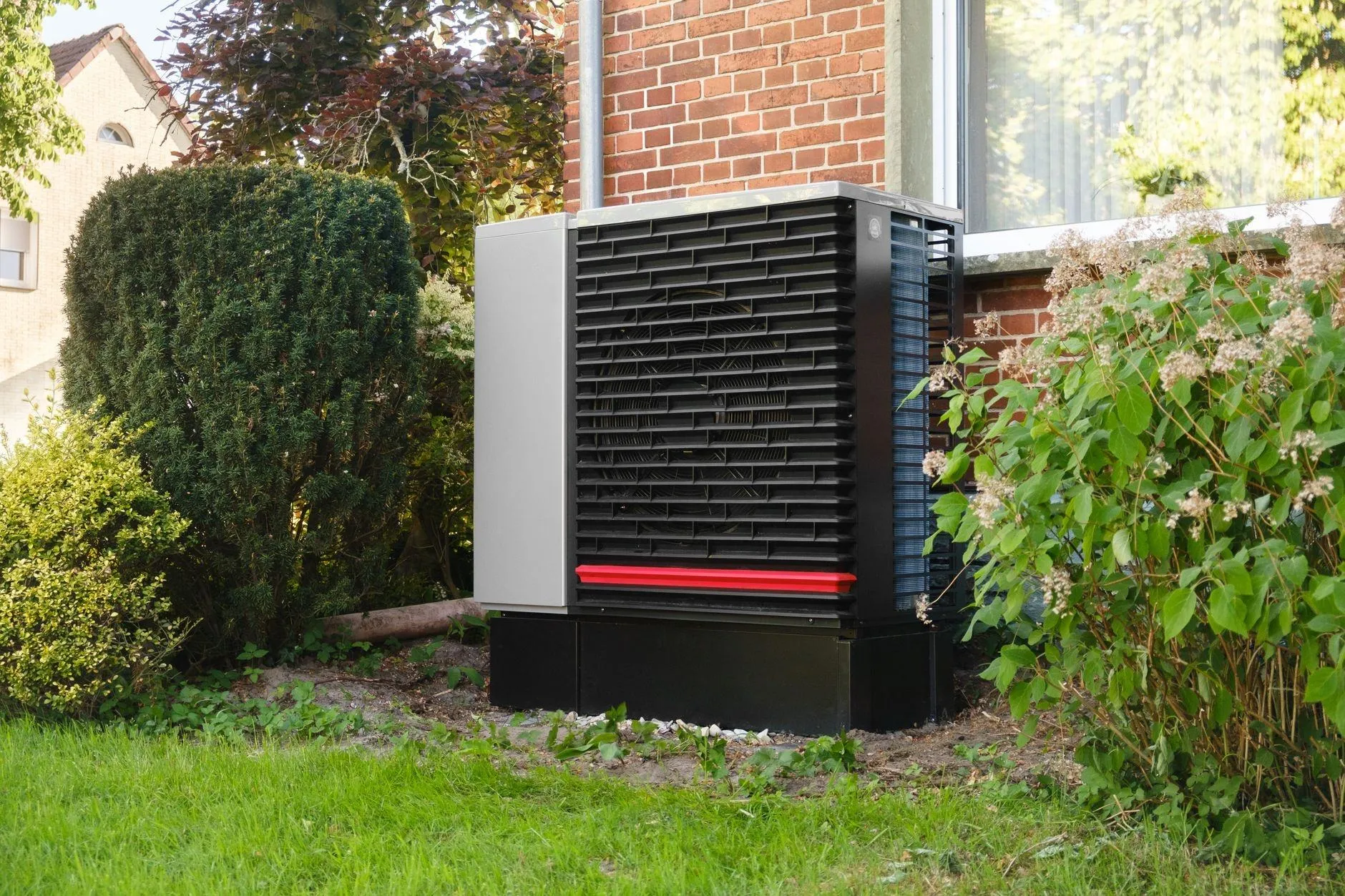
from £9,800
A heat pump sized room by room to your house, with the radiators it needs, fitted by our own engineers in two to three days.
2–3 days on site
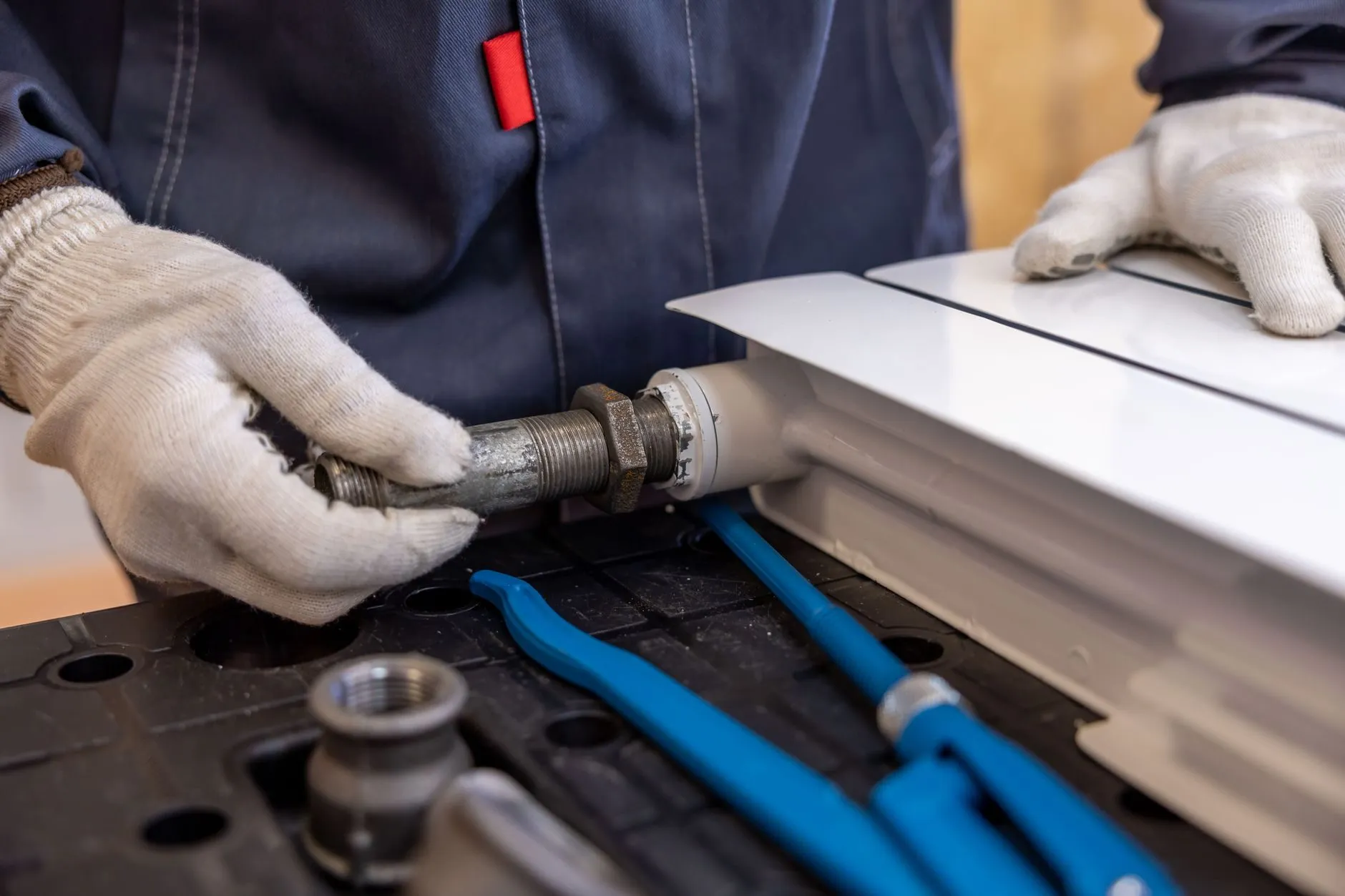
from £2,650
A like-for-like combi or system boiler swap in one day, with a magnetic filter, a system flush and a thermostat you can actually use.
1 day on site
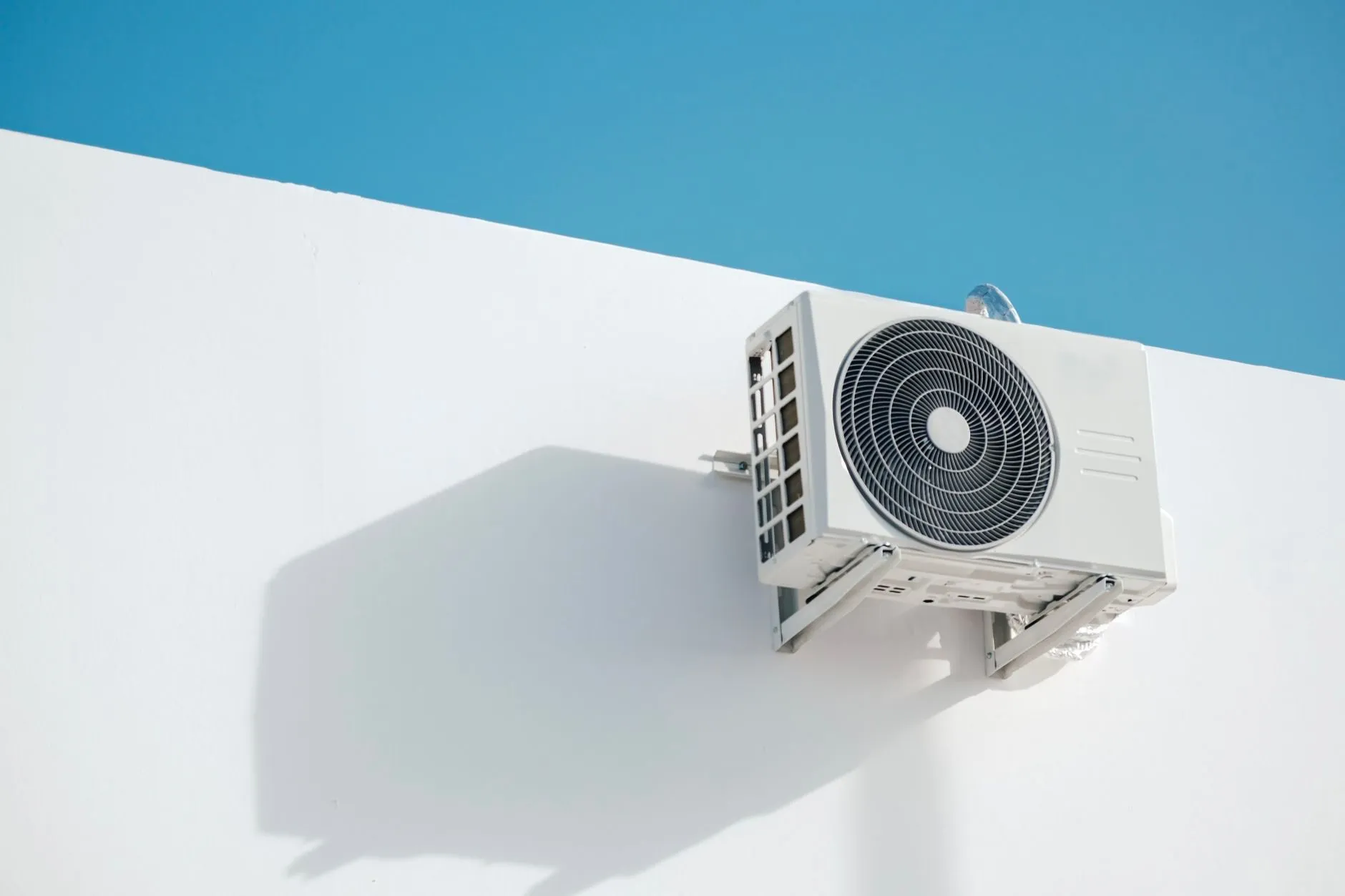
from £2,650
Split systems that cool in summer and heat in winter, for loft rooms, home offices, extensions and bedrooms that never get comfortable.
1–2 days on site
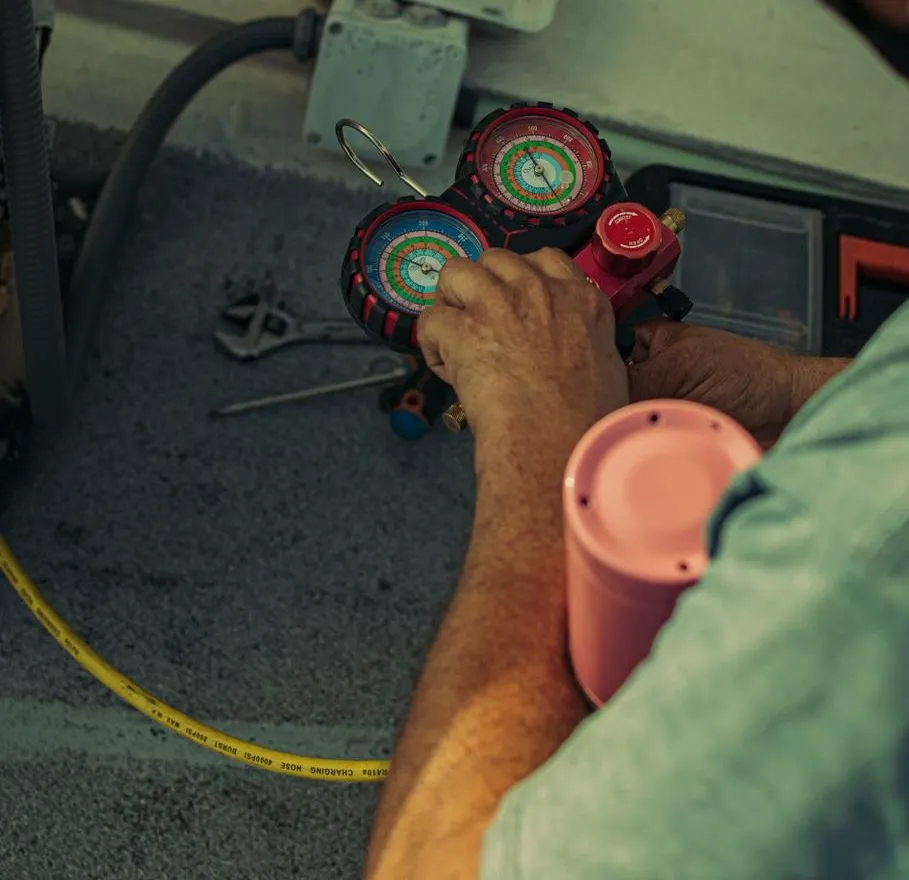
from £96
A yearly service for gas boilers, heat pumps and split systems, with a written report that keeps your manufacturer warranty valid.
About 1 hour
from £89
Boiler, heat pump and air conditioning repairs, with the common parts on every van and a fixed call-out price you know before we arrive.
Same or next day for plan holders
Not sure which system suits your house? Answer four questions and see a recommended heat pump size, installed prices for all three systems and a yearly running cost. Open the estimator
Since 2009
We have fitted heating on Tyneside for 17 years. Every engineer is on our payroll, trained on the systems we fit, and drives a van stocked from our own yard. The person who surveys your house is the person who leads the install.
Most of that is waiting for kit and paperwork. We are in your house for two or three days.

Survey
An engineer measures every room, checks the radiators and pipework, and looks at where a unit could go. About ninety minutes, free.
Design and fixed quote
Room-by-room heat loss, the system sized to it, and one fixed price in writing within two working days.
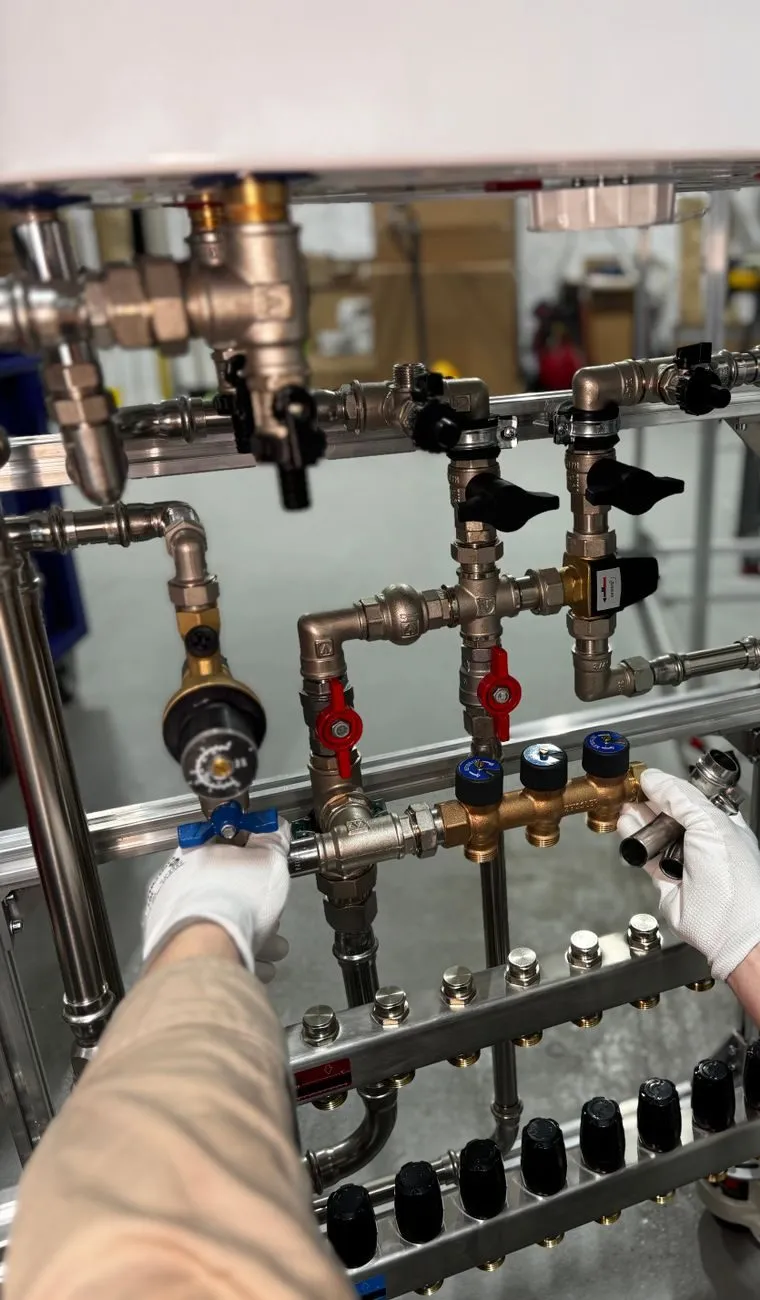
Install
Our own engineers, dust sheets down, two to three days for a heat pump and one for a boiler.
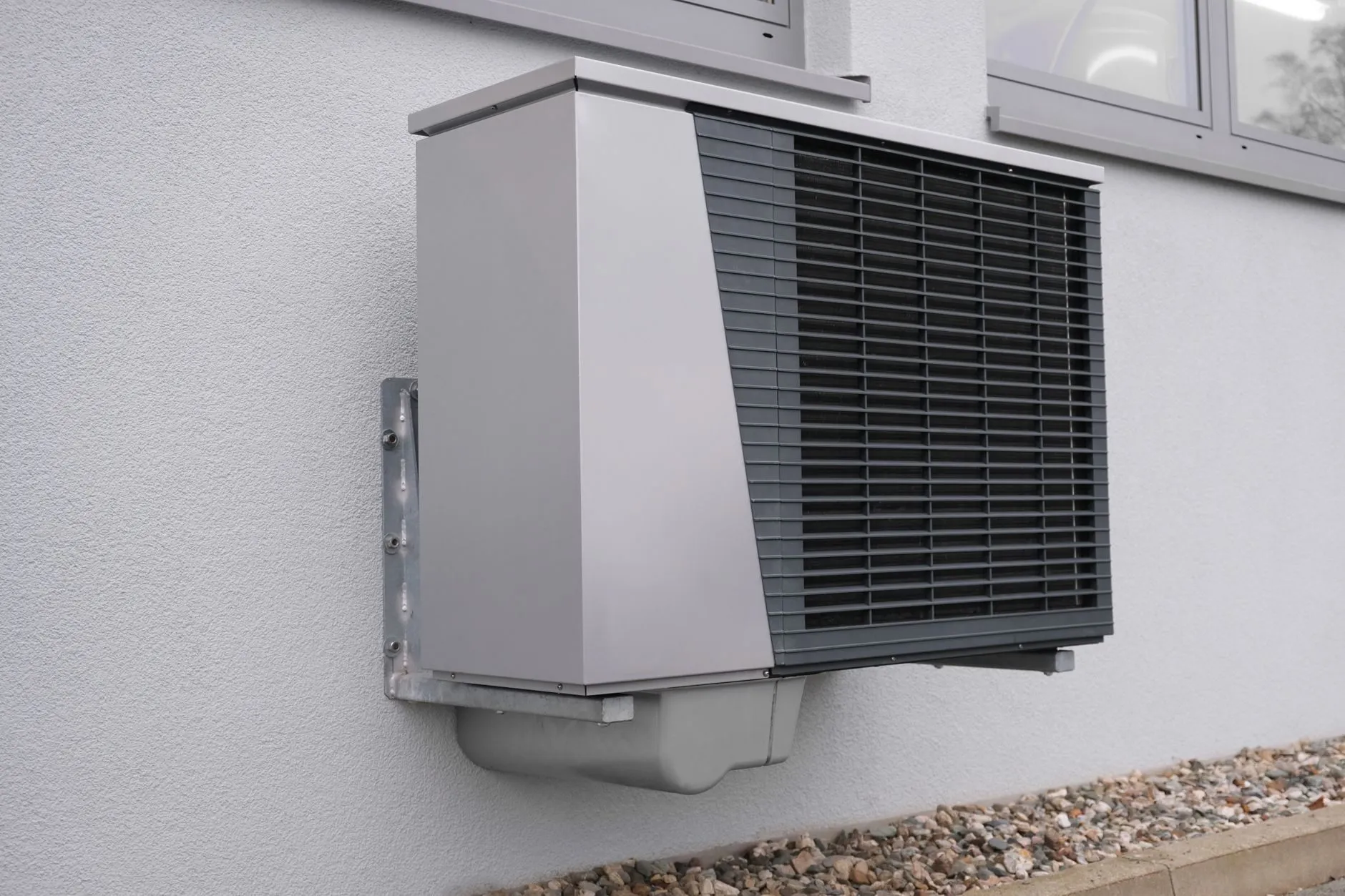
Commission and handover
Flow temperatures set, controls explained at the kitchen table, paperwork and warranty registered for you.
Four answers about your house. You get the size we would start from, installed prices for all three systems and what each costs to run for a year.
Recommended heat pump
6 kW
Estimated heat loss about 5.7 kW on a cold January day
Estimates only. The survey gives you one fixed price.
Already have a system you are happy with? A plan keeps it serviced and puts you first in the queue when the first cold week hits.
One visit a year for a boiler, heat pump or split system.
£96 a year
Most homes pick this
The service, plus call-outs when it stops working.
£14 a month
For a heating system and air conditioning in one home.
£22 a month
We fit all three, so we have no reason to push one. Here is how they compare in a typical three-bedroom semi.
| Air source heat pump | Gas boiler | Air-to-air | |
|---|---|---|---|
| Installed cost | £9,800–22,000 before any grant | £2,650–4,700 | £5,500–14,200 for 3–7 rooms |
| Yearly running cost (3-bed semi) | About £860 | About £950 | About £700, heating only |
| Lifespan | 18–20 years | 12–15 years | 12–15 years |
| Noise outside | About 40–45 dB at 1 m | Flue hum only | About 45–50 dB at 1 m |
| Hot water | Yes, with a cylinder | Yes | No |
| Cooling in summer | No | No | Yes |
The job, the house and how long we were there, in the customer's words.
“They told us at the survey which three radiators had to go bigger and why. The house is warmer than it ever was on gas, and the first winter bill came in under what they estimated.”
“Old boiler out at eight, new one firing by half three, dust sheets gone by four. The price on the invoice was the price on the quote, to the pound.”
“The loft office was unusable from June to August. Two indoor units, one outdoor unit tucked behind the garage, and the pipe runs are neater than I thought possible.”
“No heating on a Sunday in January. An engineer was here before lunch, found the diverter valve, and had the part on the van. I joined the plan the same afternoon.”
Plain answers to the questions that decide what you fit.
Usually, yes, once the radiators are sized for a lower flow temperature. We measure every room at the survey and tell you which radiators need to change. If a house is not ready, we say so and tell you what to fix first.
A boiler swap is one day. A heat pump is two to three days, plus a day if several radiators are being replaced. You will have heating and hot water every night except, at most, one.
Anywhere with free air around it, within about 10 m of where the pipes enter the house. We check noise against your neighbours’ windows at the survey and show you the spot before we fit it.
Once a year for boilers and heat pumps. Most manufacturer warranties need a yearly service record, and we send a reminder four weeks before it is due.
Yes. We service most gas boilers, air source heat pumps and split air conditioning, whoever installed them. The first visit includes a full check so we know what we are covering.
Plan holders get a same-day or next-morning visit, seven days a week. Without a plan we come out on the next free slot, usually within two working days.
There has been a government grant towards air source heat pumps in England and Wales for several years. The amount and the rules change, so our estimator shows an example figure only. We check what applies to you at the survey.
Where a scheme is paid through the installer, we apply on your behalf and take it off the invoice. You never pay the full price and wait for money back.
Some energy-company schemes fund boilers for households on certain benefits. Most boiler swaps are not funded. We will tell you honestly if we think you qualify for anything.
Ninety minutes with an engineer, a room-by-room report and one fixed price within two working days. No obligation and no follow-up calls.