Guides · Installs · 5 min read
Which radiators need changing for a heat pump?
Not all of them. How we decide, room by room, which radiators stay, which go bigger, and why the answer is usually two to five in a three-bed house.
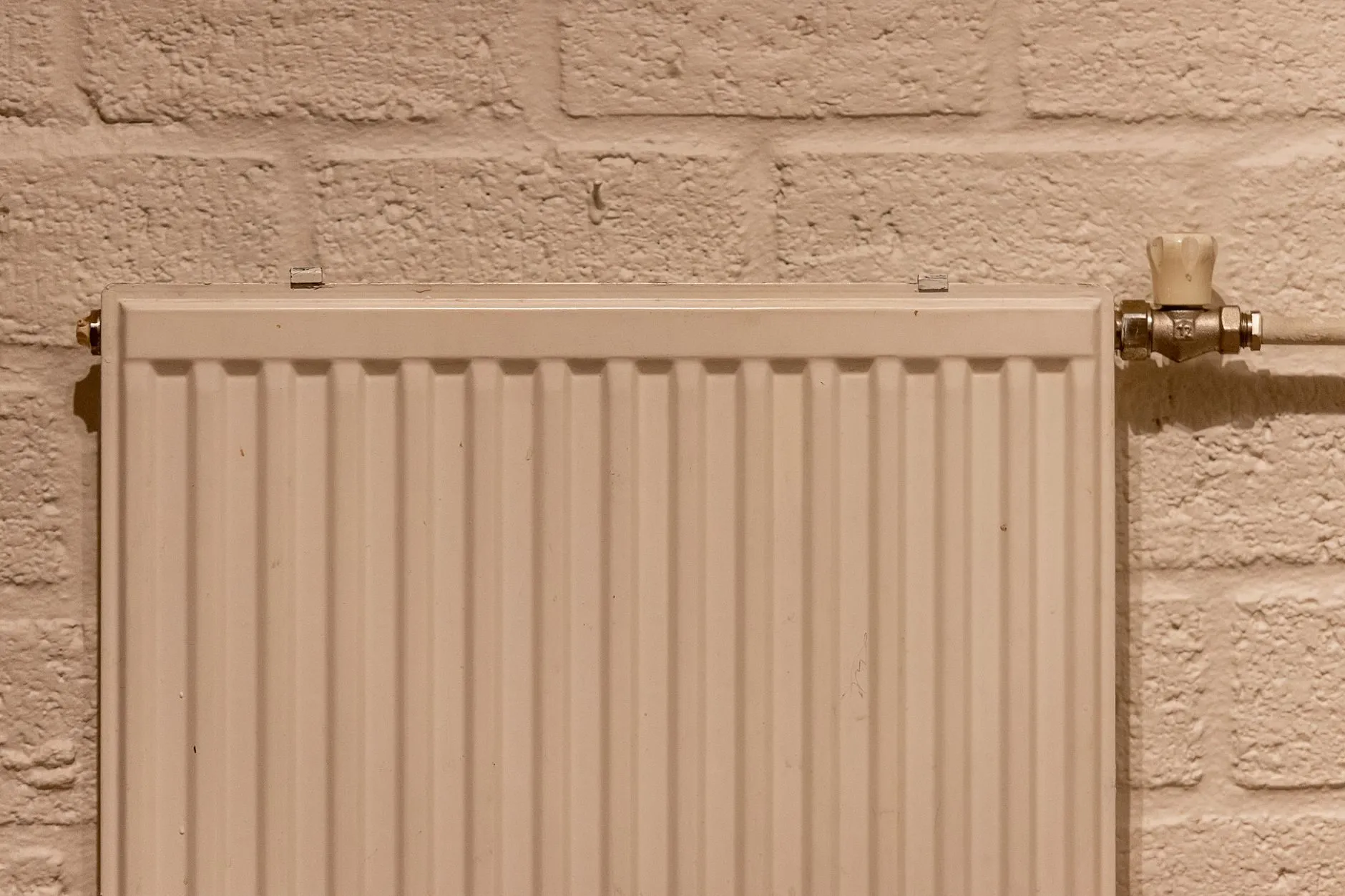
“Will I need all new radiators?” is the second most common question at our surveys. The honest answer is almost never all of them, and often fewer than people expect.
Why radiators matter more with a heat pump
A boiler usually sends water round at 60 to 70 °C. A heat pump is most efficient at 45 to 50 °C. Cooler water means each radiator gives out less heat, so a radiator that was generous on a boiler might be just right on a heat pump, and one that was only just big enough will now fall short.
How we work it out
For every room, we calculate the heat loss at a cold design day, then check the existing radiator’s output at the heat pump’s flow temperature. If the radiator meets the room’s need, it stays. If it falls short, we replace it with one that does. Usually that means a double panel with fins instead of a single, or a longer one on the same wall.
The usual suspects
In older Tyneside terraces and semis, the rooms that come up short are nearly always the same: the front room with a bay window, a bedroom over the garage or a passage, and the bathroom. Kitchens and small back bedrooms are often fine already.
Pipes and microbore
Very thin 8 or 10 mm pipes can limit the flow a heat pump needs. We check the pipe sizes in the survey and, where they would hold the system back, we replace the runs that matter rather than the whole house.
What it costs
Each replaced radiator is typically £280 to £520 fitted, depending on size. Your quote lists every room, what is there now, what we would fit and the price, so you can see exactly where the money goes.